

 Posted by
 Did you ever feel stuck while studying, unable to focus, lack motivation, or struggle to manage your time effectively? You may have the best mentors and proper guidance, but still feel confused.
Don’t worry, every student faces this challenge at some point. One of the most important lessons you can learn comes through reading books.
Books are your friends, and wisdom is your power. Some of the best lessons in life can be learned through reading books, novels, and stories. They help you understand the world, learn from other people’s experiences, gain new perspectives, and discover ideas that shape your future.
Table of Contents
- Why Reading Books is Important for Students
- How to Develop a Reading Habit as a Student
- 15 Best Books Every Student Should Read
- To Kill a Mockingbird
- The Great Gatsby
- Crime and Punishment
- Animal Farm
- Frankenstein
- Atomic Habits
- How to Win Friends and Influence People
- Deep Work
- Essentialism
- Rich Dad Poor Dad
- The 7 Habits of Highly Effective People
- Ikigai
- The Alchemist
- Mindset: The New Psychology of Success
- Sapiens: A Brief History of Humankind
- Benefits of Reading Books for Students
- How Reading Books Improves Academic Performance
- Conclusion
- Frequently Asked Questions (FAQ’S)
Why Reading Books is Important for Students
Today, students spend a significant amount of time on social media, games, OTT platforms, and other forms of entertainment. While these activities can be enjoyable and help students relax, spending too much time on them can be a distraction.
Instead of only consuming entertainment, students should also make time for activities that help them learn and grow. Reading books is one of the best things to do because it is not only a productive use of time but also offers long-term benefits.
The more you read, the more you learn, and the more confident and capable you become in facing challenges and making informed decisions.
How to Develop a Reading Habit as a Student
Building a reading habit can be difficult at first, especially when you have so many distractions around you. However, by following these simple steps, you can gradually develop a reading habit that you enjoy. The key is to start small and make reading a part of your daily routine.
By following these simple tips, you will be able to build a consistent reading habit, improve your knowledge, and enjoy the many benefits that reading has to offer.
Here are simple, actionable steps for you to build a reading habit that sticks:
- Choose Books That Interest You: Start with books that match your interests, as you are more likely to enjoy and finish them.
- Read a Few Pages Every Day: Reading even a few pages daily can help you build a habit of consistent reading over time.
- Create a Daily Reading Routine: Set aside some time each day for reading to make it a regular part of your daily routine.
- Carry a Book Wherever You Go: Keep a book handy at all times so you can read whenever you have free time.
- Cut Down on Screen Time: Replace some time spent on social media or games with reading to improve your focus and knowledge.
- Join a Book Club or Reading Group: Reading with others can make the experience more enjoyable and motivate you to read regularly.
Pick one book, read a little every day, and watch reading become a regular part of your life and routine. Read at your own pace and enjoy the process of reading.
As you get deeper into a novel, you become curious about what happens next, making it difficult to put the book down. Before you know it, reading no longer feels like a task but something you genuinely look forward to.
15 Best Books Every Student Should Read
Books transform the way you think, inspire, and educate young generations. Reading books and novels broadens your perspective and contributes to your child’s growth.
It helps build a positive outlook towards life. Each book offers unique and interesting insights and can provide valuable lessons early in life. In this curated list, we have added a total of 15 books for you to begin with during your school years.
-
To Kill a Mockingbird by Harper Lee
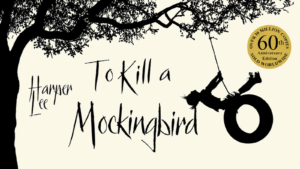
It is a timeless novel by Harper Lee that explores the story of Scout Finch as she grows up in a small town and witnesses her father standing up for what is right and wrong despite facing criticism from society and harsh reactions. Published in the year 1960.
The book teaches us about justice, empathy, and a moral code of conduct, giving students a perspective on different viewpoints and how they should treat people with kindness and respect. With its enduring themes, the book continues to resonate across generations.
2. The Great Gatsby by F. Scott Fitzgerald
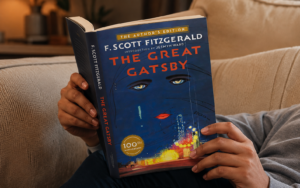
It is a classic work of art and literature, following Jay Gatsby as he chases his dreams of success, happiness, and the life he desires. Published in 1925, it highlights the importance of ambition, self-reflection, honesty, working with integrity, and having realistic expectations from life.
It shows how to look beyond material wealth and gain a deeper understanding of the true meaning of relationships, character, and personal fulfillment.
3. Crime and Punishment by Fyodor Dostoevsky

Another classic literary work that follows the life of Rodion Raskolnikov. Published in 1866, it tells the story of a young man in pursuit of justice, redemption, and responsibility. As he struggles with the guilt and consequences of his actions.
Readers gain a sense of understanding of morality and personal accountability. The novel encourages you to reflect on your own choices and understand how your actions can affect others. The story teaches students the value of being self-aware, empathetic, and responsible.
4. Animal Farm by George Orwell
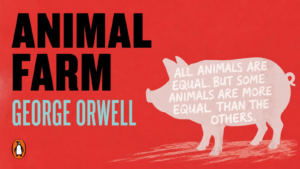
Animal Farm was published in 1945. In this novel, animals are being used to tell a story about equality, justice, leadership, and power.
It shows how power can be misused when left unchecked. Animal Farm showcases the authority to question, being fair, and valuing other people with fairness, and what can be the consequences if you misuse this power.
5. Frankenstein by Mary Shelley

Novel written by Mary Shelley, a wonderful writer of her time, was published in the year 1818. Frankenstein is considered one of the greatest novels in the early history of science fiction novels. This story is about Victor Frankenstein, a scientist who created life through his scientific experimentation. His creation comes to life, and Victor is unprepared for it.
This novel teaches us about loneliness and the pursuit of wisdom without considering its impact. It inspires curiosity while encouraging us to act with care and empathy.
6. Atomic Habits by James Clear

Source: Penguin.com
One of the most popular novels, it was published in 2018 and is about self-improvement. Written by James Clear, the book focuses on consistency and how small habits can lead to professional growth over the years if you follow step-by-step small efforts daily.
This book teaches simple yet practical scientific ways to build habit formation and how daily routine changes can change your life, and how easy it is to build frameworks for yourself. The book explores neuroscience and psychology, with clear strategies so you can implement in achieving success.
7. How to Win Friends and Influence People by Dale Carnegie
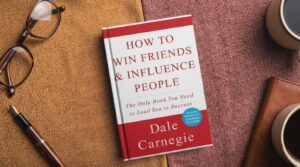
Published in 1936 by Dale Carnegie, the book teaches us skills like how to build relationships with others and how to be a better listener. It focuses on understanding people and creating connections. This book will teach students interpersonal skills and lessons for life, such as how to become highly likable.
Human behaviour can be changed by how you treat others and how you give appreciation rather than criticizing them. The book’s consistent theme is building positive relationships through respect, understanding, and effective communication.
8. Deep Work by Cal Newport
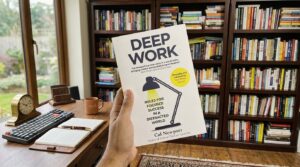
Deep Work is a great book for those who get distracted easily and are looking for something to stay focused and concentrated while working on cognitive tasks. It gives you practical insights to master complex skills and how crucial it is to focus on important tasks without getting distracted.
It will show how to manage time effectively and utilize your time wisely. Through examples, it helps individuals achieve success in academics, careers, and personal growth. It was published in 2016
9. Essentialism by Greg McKeown
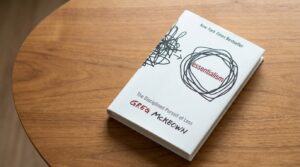
Written by Greg McKeown and published in 2014, Essentialism is a book about focusing on what truly matters. It encourages readers to identify their highest priorities and eliminate unnecessary distractions.
The book teaches that success does not come from doing more things but from doing the right things well. Through practical advice and thoughtful insights, it helps readers make better decisions, manage their time wisely, and live with greater purpose. The book inspires a more focused and meaningful approach to work and life.
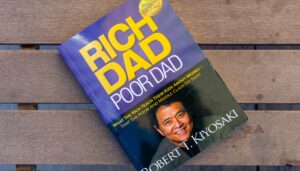
10. Rich Dad Poor Dad by Robert T. Kiyosaki
Source: Moneywise.com
Rich Dad Poor Dad is a book that gives financial advice and is one of the most popular finance books. It is driven by the idea of having two dads, one rich and one poor, and how their mentality and perspectives about money are different.
Published in the year 1997 and further released to the mass market in May 2000, the book explains the need for financial literacy and challenges traditional views about money and wealth. It teaches how you can become financially independent and develop a mindset towards financial success. Through the different approaches of the two dads.
11. The 7 Habits of Highly Effective People by Stephen R. Covey
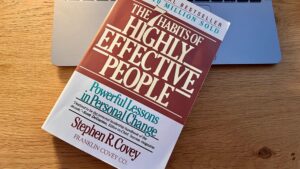
Source: leaders21.com
Based on seven habits that will help people become more efficient and effective in their professional lives, Stephen R. Covey, the author of this book, has placed emphasis on responsibilities, goals, prioritization, teamwork, and self-improvement. Published in the year 1989.
The book teaches how to be strong, independent, and develop qualities as an individual. The book provides a framework that helps people make better decisions.
12. Ikigai by Héctor García and Francesc Miralles
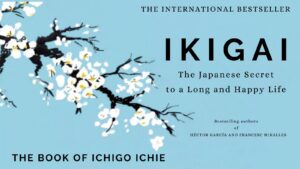
Ikigai explores the Japanese idea of finding happiness and purpose in life. Published in the Year 2016. It explains how having a clear purpose can help people live a happier, healthier, and more fulfilling life.
The book helps readers discover what they love, what they are good at, and what gives meaning to their lives. This book delivers the importance of balance, mindfulness, and lifelong learning in achieving personal growth and well-being.
13. The Alchemist by Paulo Coelho
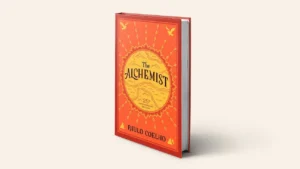
Source: hollywoodreporter.com
Published in the year 1988, The Alchemist is a globally celebrated novel about following one’s dreams. The story follows Santiago, a young shepherd, on a journey to find his personal legend. Along the way, he learns valuable lessons about courage, perseverance, faith, and self-discovery.
The book encourages readers to follow their dreams and trust their instincts, even when they face difficulties and setbacks. It inspires readers to stay determined and keep working towards their goals. This message has connected with millions of readers around the world.
14. Mindset: The New Psychology of Success by Carol S. Dweck
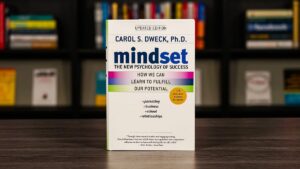
Source: everydaysuccess.medium.com
Published in the year 2006, this book introduces the ideas behind a growth mindset and a fixed mindset. Carol Dweck explains how the way we think about our abilities can affect our learning and success. The book teaches that challenges should be seen as chances to learn and improve rather than problems to avoid.
Using research and real-life examples, the author shows how a growth mindset can help students, athletes, and professionals achieve their goals. The book inspires readers to keep learning, build confidence, and become stronger through their experiences.
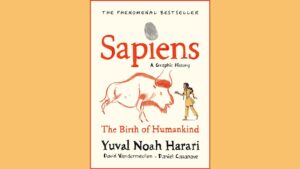
15. Sapiens: A Brief History of Humankind by Yuval Noah Harari
Source: chemistryworld.com
Published in 2011, Sapiens explores the history of humanity from the earliest humans to the modern world. Yuval Noah Harari examines how humans evolved, formed societies, developed cultures, and built civilizations. The book combines history, science, anthropology, and philosophy to explain major developments in human history. It encourages readers to think critically about the world and humanity’s role in shaping it. The author’s engaging storytelling makes complex ideas accessible and thought-provoking. The book offers a fascinating perspective on how humans have transformed the planet and society over time.
Benefits of Reading Books for Students
Regular reading books supports both academic success and personal growth, making it an essential part of a student’s learning journey.
- Helps improve vocabulary and helps students communicate their thoughts clearly.
- Helps develop critical thinking and problem-solving skills.
- Boosts creativity and imagination by exposing readers to new ideas and characters.
- Improves focus and concentration through regular reading habits.
- Builds emotional intelligence, students understand different emotions and experiences.
- Expands knowledge and general awareness about different subjects and cultures.
- Strengthens memory and improves overall learning abilities.
- Reduces stress and promotes relaxation by providing a healthy break from daily routines
Conclusion
Start with a book that interests you and make reading a daily habit. The knowledge and experiences you gain from books can support your personal growth and help you achieve future success.
Hope you found our list of the 15 best books to read for students helpful. For more insights and helpful tips for students and children, explore our blog section. It is designed to inspire students to read, spark their interest, generate curiosity, and build a healthy mindset. Every book has a story to share and a lesson to teach.
These books are among the best book recommendations for students who want to develop a reading habit and expand their knowledge.
Frequently Asked Questions (FAQs)
- How can self-improvement books benefit students?
Self-improvement books help students develop positive habits, build confidence, and improve their mindset. It also provides practical lessons for academic and personal growth. - Why Is Summer Reading Important?
Summer reading helps students maintain their reading skills during school breaks.
It also encourages learning, creativity, and a lifelong love for reading. - Can I apply the lessons from books to my daily life?
Yes, many books offer practical advice for everyday situations. Applying these lessons can help improve decision-making, daily habits, and personal development. - How often should I read books?
Reading for 15–30 minutes each day can make a big difference over time. Regular reading helps build knowledge and concentration.