

 Posted by
 What started as a way to connect people has evolved into a powerful educational tool. Today, social media in education enables students and educators to collaborate across the globe, exchange ideas, and discover new ways of learning.
In today’s rapidly evolving digital world, social media has become an essential part of communication and knowledge sharing. Its growing role in education is transforming how students access information, interact with peers, and engage with teachers.
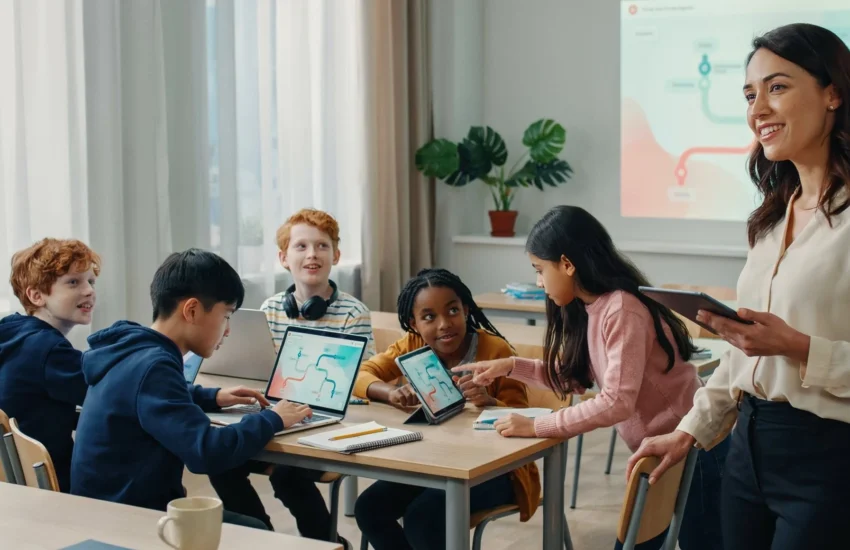
From virtual classrooms and educational resources to online learning communities, social media platforms are helping students learn beyond the traditional classroom. By encouraging collaboration, creativity, and communication, social media has become an important part of modern education.
In this blog, we’ll explore what social media in education is, its uses, benefits, challenges, best practices for responsible use, and its future impact on teaching and learning.
Table of Contents
- Understanding Social Media in Education
- Uses of Social Media in Education
- Pros and Cons of Social Media
- How to Use Social Media Responsibly
- The Future of Social Media in Education
- Conclusion
- Frequently Asked Questions (FAQs)
Understanding Social Media in Education
Social media refers to digital platforms and online networks that allow people to create, share ideas, images, videos, and other forms of content. These platforms help individuals connect, communicate, and build communities and forums regardless of geographical boundaries.
Today, social media is not only for personal communication and entertainment but has also become a tool for businesses, organizations, and educational institutions. These platforms allow educators or mentors to share educational content for students and institutions to engage and learn in real time.
Social media enables continuous learning anytime and anywhere. It connects learners with educators, industry experts, educational organizations, and peers across the globe, creating an interactive and engaging learning environment.
Uses of Social Media in Education
Today, students are more aware and digitally connected due to the widespread use and easy accessibility of social media platforms.
Schools, institutions, and universities use platforms such as YouTube for educational videos, LinkedIn for networking, WhatsApp for classroom updates and communication, Facebook for community engagement, Instagram for showcasing activities, and X (formerly Twitter) for sharing educational updates and discussions.
The integration of social media into education reflects the changing needs of today’s digital learners, making education more accessible and technology-driven.
Here are the common uses of social media for students in education.
- Communication and Announcements: Schools use social media to share updates, event notices, schedules, and important information with students and parents in real time.
- Collaborative Learning: Students can participate in group discussions, work on group projects, and share ideas, making learning more interactive and fun.
- Access to Resources: Platforms like YouTube provide video tutorials, recorded lectures, and study materials that support classroom learning.
- Professional Networking: Students and educators use platforms like LinkedIn to connect with industry professionals, explore career opportunities, and expand their knowledge.
- Skills Development: Social media helps students develop digital literacy, research, communication, and content creation skills that are valuable for academic and professional success.
Pros and Cons of Social Media
The growing influence of social media in education has changed the way students learn and communicate. While these platforms offer various benefits, they also come with challenges that can’t be overlooked. To better understand its impact, let’s read the pros and cons of social media in education.
Pros of Social Media
- Accessible Learning: Students can access educational content anytime from anywhere and learn at their own pace, allowing them to revisit topics whenever needed.
- Global Learning Opportunities: Social media connects students with educators and experts worldwide, exposing them to diverse ideas.
- Student Engagement: Interactive content, live sessions, and educational videos make learning more interesting and engaging.
- Career Development: LinkedIn helps students build professional networks and find internship and job opportunities.
- Keeps Students Updated: Provides instant access to news, research, scholarships, webinars, and academic events, helping students stay informed.
- Teacher-Student Communication: Enables continuous interaction and academic support beyond classroom hours.
Cons of Social Media
- Can Be Distracting: Excessive use of social media may reduce students’ focus on academics and affect productivity.
- Privacy and Security Risks: Sharing personal information online can expose students to data breaches, identity theft, and other cybersecurity threats.
- Cyberbullying and Online Harassment: Negative online interactions can impact students’ confidence, mental health, and overall learning experience.
- Spread of Misinformation: Not all information shared on social media is accurate, making it important for students to verify sources before using it.
- Increased Screen Time: Spending long hours on social media can contribute to digital fatigue, reduced physical activity, and sleep-related issues.
While social media provides many educational benefits, its value depends on how wisely it is used. By maintaining a balanced approach, practicing safe online behavior, and relying on credible educational resources, students can make the most of social media while reducing its potential drawbacks.
How to Use Social Media Responsibly
Using social media responsibly means using it in a safe and smart way. Always protect your privacy by keeping your personal information secure.
Most importantly, balancing your time by giving equal attention to your studies, hobbies, family, and offline activities is a good practice. Responsible use of social media helps protect your reputation and creates a safe digital environment.
Here are some simple and useful tips for using social media responsibly:
- Don’t share your personal information and maintain privacy.
- Think before posting, commenting, or sharing any form of content online.
- Use strong passwords and keep your accounts safe and secure.
- Follow reliable sources and cross-check information before sharing.
- Communicate respectfully and avoid negative interactions.
- Maintain a balance between social media, studies, work, and personal life.
- Use privacy settings to control who can access your information.
- Report or block harmful or suspicious content when needed.
The Future of Social Media in Education
The growing influence of social media in education raises questions. Does it improve learning outcomes? Can it enhance communication? What are the risks associated with its use in academics?
The answer lies in understanding how these platforms are used and adopting responsible practices that maximize their benefits while minimizing potential drawbacks.
The future of social media focuses on collaborative learning, local-language resources, and global communities. Educators are also using regional languages to make learning more accessible, especially for students in remote areas.
When combined with proper guidance, digital awareness, and safe practices, social media can support better learning experiences while reducing possible risks.
Final Thoughts
We hope you have enjoyed our blog on the role of social media in education and gained valuable insights. Hoping this information helps you make the most of digital learning opportunities.
Social media has become an important tool in modern education. It enables students and teachers to connect, learn, and explore new ways of learning beyond the classroom.
However, using social media responsibly is equally important to avoid distractions, false information, and privacy issues.
With proper guidance and balanced use, social media can make learning more engaging and effective. It helps students build digital skills and creativity while creating safe online learning spaces. In the future, responsible use of social media can support a smarter and more connected education system.
Frequently Asked Questions (FAQs)
- How can schools promote safe social media use among students?
Schools can promote safe social media use by teaching digital awareness, privacy settings, and guiding students about responsible online behavior.
- What is an example of social media in education?
Examples include YouTube for tutorials and educational videos, Google Classroom for communication, and WhatsApp groups for sharing resources and discussions.
- Why is social media good?
Social media helps students stay connected and gain knowledge. It also provides opportunities for interactive and flexible learning experiences.
- Which social media platform is best for communicating with parents?
The best platform depends on the needs of the students and parents. Platforms like WhatsApp, Facebook groups, or school-specific apps can help share updates and maintain communication.
- What steps can teachers take to prevent cyberbullying?
Teachers can prevent cyberbullying by promoting respectful online behavior and encouraging students to report harmful content. For cybercrime support, contact Helpline No. 1930 or visit the Delhi Police Cyber Crime Portal.