

 Posted by
In this blog, we will explore the evolving role of school libraries, how they support diverse learning styles, and the ways they promote digital literacy among students.
The role of libraries in modern schools has evolved over the years. While books remain an important part of learning, today’s school libraries offer much more than shelves filled with reading materials.
A well-designed school library creates a welcoming environment where students can read, develop new interests, ask questions, and learn at their own pace.
In an age where students can access endless information online, school libraries guide them toward reliable sources and responsible use of information. They complement classroom teaching and support the overall academic and personal development of students. Thus, the modern school library is not just a reading space but a learning hub that prepares students for a world that values knowledge, creativity, and lifelong learning.
Table of Contents
- Introduction
- The Evolving Landscape of School Libraries
- Supporting Diverse Learning Styles
- Encouraging Critical Thinking and Research Skills
- How School Promotes Digital Literacy
- Fostering a Love for Reading
- Building Responsible Students at St. Xavier’s High School
- Conclusion
Introduction
Libraries have long been regarded as places of knowledge and wisdom. They house a wide collection of books that introduce students to new ideas, information, and imagination.
However, the role of school libraries has changed with the evolving education system. Modern schools have become dynamic learning spaces that use technology, innovation, and diverse resources to support students in their educational journey.
In this article, we will explore the changing role of libraries in modern schools. We will look at how they support different learning needs and encourage students to develop new skills.
We will also highlight the learning environment at St. Xavier’s High School in Greater Noida West. The school recognizes the importance of libraries in supporting students’ learning and overall development.
The Evolving Landscape of School Libraries
The concept of school libraries has undergone a profound transformation over the years. Traditionally, libraries were seen as quiet spaces where students could access books for research or leisure reading. While this remains an essential aspect, modern school libraries have reinvented themselves to meet the evolving needs of 21st-century learners.
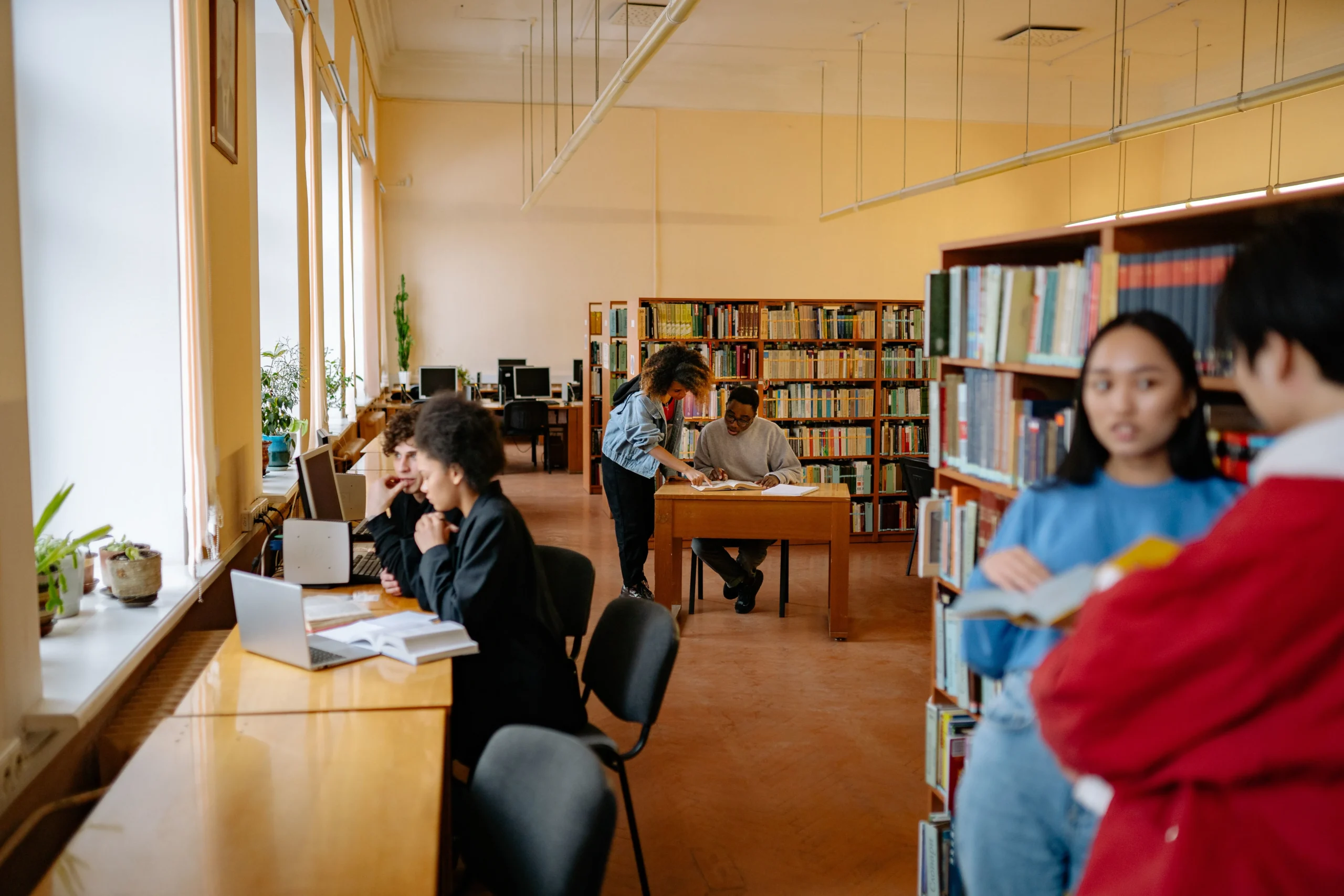
Today’s school libraries are vibrant and dynamic spaces that offer a wide range of resources and services. They have embraced technology, providing students with access to digital resources, e-books, and online databases. Libraries have become collaborative learning spaces where students can engage in group projects, research, and access multimedia materials to enhance their understanding of various subjects.
Supporting Diverse Learning Styles
One of the key roles of modern school libraries is to support diverse learning styles. Every student is unique, and libraries recognize this by offering a variety of resources to cater to different preferences and abilities.
For example, visual learners can benefit from multimedia resources such as educational videos and interactive simulations. Auditory learners can access audiobooks and podcasts. Kinesthetic learners can engage with hands-on materials, such as science experiments or maker space activities. The goal is to create an inclusive environment where students can explore and learn in ways that resonate with them personally.
St. Xavier’s High School, as one of the best schools in Greater Noida West, understands the importance of accommodating diverse learning styles. The school’s library is equipped with a wide array of resources, both traditional and digital, to cater to the unique needs of its students. This approach ensures that every learner has the opportunity to excel in their preferred mode of learning.
Encouraging Critical Thinking and Research Skills
Modern school libraries play a pivotal role in nurturing critical thinking and research skills. They provide students with the tools and resources needed to explore complex topics, conduct in-depth research, and develop a deep understanding of subjects beyond what is covered in the classroom.
Libraries offer access to academic journals, databases, and reference materials that empower students to explore topics in depth. They teach students valuable research skills, such as how to evaluate sources for credibility, synthesize information, and cite references properly. These skills are not only essential for academic success but also prepare students for lifelong learning.
At St. Xavier’s High School, known for its commitment to providing a world-class education, the library is a hub for research and critical thinking. Students are encouraged to pursue their curiosity and delve into subjects that fascinate them. The library’s resources, both in print and online, support students in developing the skills needed to excel in an information-rich world.
How School Libraries Promote Digital Literacy
In the digital age, digital literacy is a crucial skill, and modern school libraries are at the forefront of promoting it. Libraries provide access to computers, internet connectivity, and digital tools that enable students to navigate the digital landscape responsibly and effectively.
Modern school libraries help students learn beyond books by introducing them to digital resources and technology.
- Access to Resources: Students can use e-books, computers, and online learning materials.
- Finding Reliable Information: Libraries help students learn to find useful & accurate information online.
- Safe Internet Use: Students learn to use the internet safely and responsibly.
- Learning Through Technology: Digital resources help students explore topics and understand concepts in different ways.
- Supporting Schoolwork: Students can use library resources to complete assignments, prepare projects, and learn independently.
Fostering a Love for Reading
While modern school libraries have expanded their offerings to encompass a wide range of resources and services, they continue to foster a love for reading. The joy of reading is a lifelong gift that enriches the mind and nurtures imagination.
Libraries curate diverse collections of books that cater to various reading levels and interests. They often organize reading programs, book clubs, and author visits to engage students and encourage a love for literature. Reading not only enhances vocabulary and comprehension but also fosters empathy, creativity, and a broader worldview.
Building Responsible Students at St. Xavier’s High School
St. Xavier’s High School recognizes the importance of preparing students for a technology-driven world. By encouraging reading, research, and the responsible use of information, the school supports students in developing the skills they need to navigate digital learning environments.
A library that combines traditional reading resources with digital learning opportunities can help students become more independent, informed, and responsible learners. These skills support their academic growth and prepare them to use technology thoughtfully in everyday life.
Conclusion
In conclusion, modern school libraries have evolved into dynamic and multifunctional spaces that go beyond just books.
Modern school libraries support different learning styles and encourage students to think critically. They also help students develop skills that prepare them for a changing world.
St. Xavier’s High School, one of the best CBSE schools in Greater Noida West, recognizes the importance of modern school libraries. The school’s library supports a learning environment where students can explore new ideas and gain knowledge.
Through these learning opportunities, students can build essential skills, develop their interests, and grow academically and personally.