

 Posted by
 What if a simple drawing, a pretend game, or a story made up by a child could teach more than just a creative skill?
For preschoolers, creativity is not only about making drawings or learning a dance. It is about exploring ideas, asking different questions, expressing thoughts, solving problems, and exploring new ways to understand the world. The early years are a crucial time to give children the freedom and confidence to explore their imagination.
A preschool environment that encourages creativity can help children become more curious, confident, expressive, and willing to try new things. This is why creative development should be an important part of early childhood education.
At St. Xavier’s High School, Greater Noida West, creative activities can be integrated into early learning through play, art, storytelling, music, movement, and hands-on experiences. In this blog, we will read why creative development matters the most and some simple ways schools can encourage it in preschool children.
Table of Contents
- Introduction
- What is Creative Development in Preschool
- Why does it matter?
- 10 Effective Strategies That Foster Creative Development
- Conclusion
What Is Creative Development in Preschool?
Creative development refers to a child’s ability to imagine, explore, express ideas, and create something in their own way. In preschool, this can happen through drawing, painting, building, storytelling, music, dance, role-play, and everyday play.
Children do not always need a fixed activity to be creative. Even simple objects can become part of an imaginative game when children are given the freedom to explore.
Why it Matters in Early Childhood
The preschool years are a time when children are constantly learning through observation and experience. Creative activities allow them to experiment, make choices, and learn from what they do. Creativity can also support communication, confidence, problem-solving, social interaction, and emotional expression. When children are encouraged to share their ideas without fear of being wrong, they become more comfortable expressing themselves.
10 Strategies That Foster Creative Development
There are many simple and engaging ways to encourage creativity in preschoolers. Activities that give children the freedom to explore, experiment, and express their ideas can help make learning more enjoyable and meaningful.
At St. Xavier’s High School, Greater Noida West, creative learning can form an important part of a preschooler’s early educational experience. Activities that involve play, art, storytelling, music, movement, and exploration can make learning more engaging for young children.
Some activities that can encourage creative development include:
1. Play-Based Learning
Preschool education is anchored in the concept of play-based learning. Recognizing that play serves as a gateway for children to explore their imagination, experiment with new ideas, and express themselves freely, the school has created a safe and stimulating environment where children can engage in creative play.
This approach is not just enjoyable for the children; it is also indispensable for their overall development.
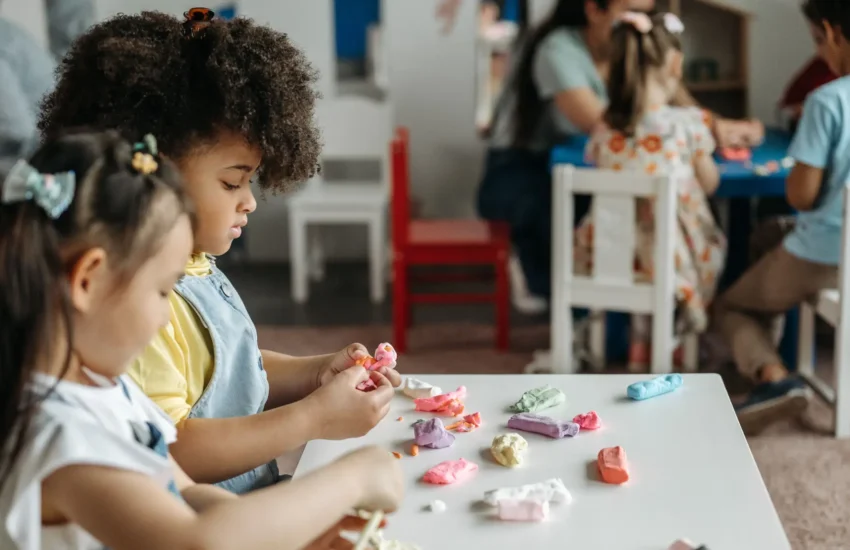
2. Art and Craft Activities
St. Xavier’s High School offers a diverse range of art and craft activities that are thoughtfully designed to encourage preschoolers to unleash their creative potential. These activities encompass a wide array of artistic expressions, including painting, drawing, sculpture, and more.
Through these hands-on experiences, children develop fine motor skills and learn to articulate their thoughts and emotions through art.
3. Storytelling and Drama
Storytelling and drama are powerful tools for enhancing creativity, and St. Xavier’s recognizes their immense value. The school has incorporated storytelling sessions and dramatic play into the preschool curriculum. These activities not only stimulate a child’s imagination but also improve their communication skills and boost their confidence.
Preschoolers are encouraged to step into various roles and immerse themselves in imaginative scenarios, fostering their creativity and social skills.
4. Music and Dance
Music and dance are integral components of creative development at St. Xavier’s High School. Preschoolers are exposed to various forms of music and dance, allowing them to explore rhythm, movement, and self-expression.
These activities not only serve as outlets for creativity but also contribute to physical coordination and emotional expression. Through music and dance, children learn to connect with their emotions and communicate their feelings.
5. Encourage Open-Ended Play
One of the fundamental strategies for fostering creative development in preschool is to prioritize open-ended play activities. Open-ended play allows children to use their imagination and creativity freely, without rigid rules or predefined outcomes.
Providing toys and materials like building blocks, imaginative playsets, and art supplies encourages children to explore, experiment, and create on their own terms.
6. Provide a Variety of Materials
To stimulate creativity, preschools should offer a diverse range of materials and resources for art and craft activities. This diversity enables children to experiment with different mediums, textures, and colours. By providing an array of options, preschoolers can express their creativity in various ways, leading to a richer creative experience.
7. Support Imaginative Play
Imaginative play, such as pretend play and role-play, is a cornerstone of creative development in preschool. Preschools should actively encourage and support imaginative play by providing costumes, props, and themed play areas.
These resources inspire children to immerse themselves in imaginative scenarios, fostering creativity, problem-solving, and social skills.
8. Incorporate Nature and Outdoors:
Outdoor play in natural environments offers unique opportunities to enhance creative development. Preschools should have well-designed outdoor spaces where children can connect with nature, explore, and engage in imaginative outdoor activities.
Nature-based play not only stimulates creativity but also promotes an appreciation for the environment.
9. Emphasize Process over Product:
It’s crucial to emphasize that in creative development, the process is often more valuable than the final product. Preschoolers should be encouraged to enjoy the act of creating without excessive focus on achieving a perfect outcome.
This approach nurtures a growth mindset, where children learn that exploration, experimentation, and learning from mistakes are integral parts of the creative process.
10. Encourage Children to Ask Questions
Allowing preschoolers to ask questions helps them explore their surroundings and think beyond simple answers. Teachers can encourage curiosity by asking open-ended questions such as, “What do you think will happen?” or “What else can we make with this?”
This also helps children become more confident in sharing their thoughts and ideas. Over time, asking questions can encourage curiosity, creativity, and independent thinking.
Conclusion
Fostering creative development in preschool is a vital component of early childhood education, and St. Xavier’s High School, one of the best schools in Greater Noida West, excels in providing an enriching and creative environment for preschoolers.
By embracing play-based learning, art and craft activities, storytelling, music, and dance in its curriculum, the school nurtures young minds to become confident, imaginative, and creative individuals prepared to excel in their future educational journey.
The strategies outlined here not only benefit St. Xavier’s but also serve as a model for preschools seeking to prioritize creativity in their early education programs.